


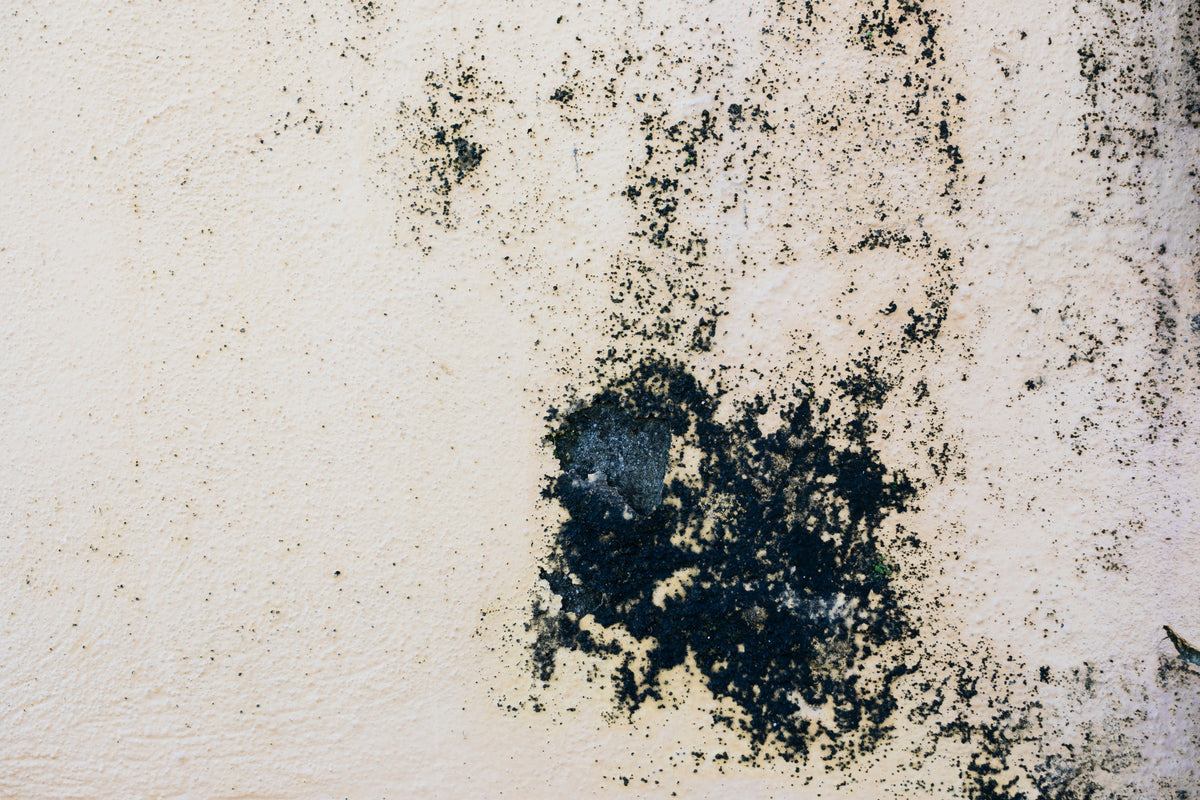
If you notice damp at home—from mold on the walls to damp clothes or heavy, humid air—it is time to find an effective solution. There are two main ways to tackle these problems: electric and non-electric dehumidifiers. Which is the best option? Here are the differences so you can choose the right one for you.
Electric dehumidifiers: are they the best solution?
Electric dehumidifiers are often the first option people consider. Their main advantage is that they remove moisture quickly from large spaces and can significantly reduce humidity levels within hours. However, they also have some drawbacks:
– High price: electric dehumidifiers generally start at €150–€200.
– Electricity use and noise: they require power and can be noisy, which may be disruptive in quiet spaces.
– Ongoing maintenance: the water tank must be emptied regularly because it fills quickly in very humid environments.
Although they are effective in the short term, electric dehumidifiers do not provide a lasting solution. Once switched off, humidity returns, creating a continuous cycle of running the appliance, using more electricity, and emptying the tank. Their estimated lifespan is also only one to two years, which can make them a less cost-effective choice.
Non-electric dehumidifiers: an affordable, hassle-free alternative
Non-electric dehumidifiers offer an affordable, low-maintenance option. They use calcium chloride, a highly effective compound that absorbs moisture, and may also include activated carbon to neutralize odors and boost absorption. These products are ideal for wardrobes, bathrooms, cars, caravans, storage rooms, and other areas where humidity is an ongoing problem. Their benefits include:
– No energy use: they require no electricity, delivering significant long-term savings.
– Silent operation: with no mechanical parts, they make no noise and are ideal for bedrooms and workspaces.
– Long-lasting action: moisture absorber boxes provide extended protection, while moisture absorber bags are ideal for immediate control in smaller spaces.
Both products help keep humidity at an optimal level—around 40%—without constant intervention. They only need replacing when full, which can take several weeks or even months depending on the humidity level.
| Feature | Electric | Non-electric |
| Price | From €150–€200 | From €9 |
| Electricity use | High | None |
| Noise | Yes, it can be loud | Silent |
| Maintenance | Empty the tank regularly | Check every 10–15 days |
| Duration of action | Immediate but temporary | Long-lasting and continuous |
| Where to use | Large spaces | All spaces |
Conclusion: which is the best option?
If you are willing to accept the energy cost, noise, and ongoing maintenance, an electric dehumidifier may be suitable. If you prefer an affordable, silent, low-maintenance option, non-electric dehumidifiers are an effective and long-lasting alternative. They are perfect for keeping humidity under control in wardrobes, bathrooms, or rooms for long periods without constant attention: place them and forget about them. They are also ideal for holiday homes and second homes.

Share:
How to remove damp and musty odors from clothes effectively
Ultimate Guide to Non-Electric Dehumidifiers: How to Choose the Best Moisture Absorber for Your Home