



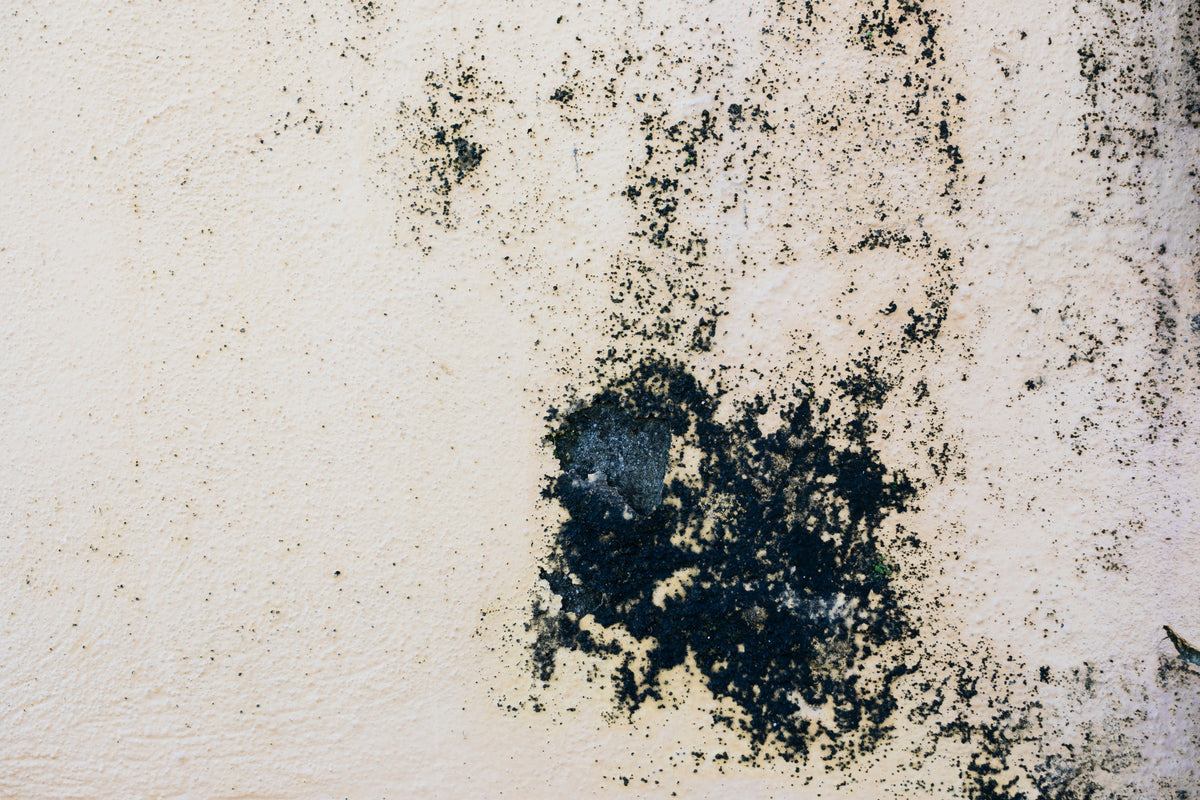
Winter often makes a home feel colder because of high indoor humidity. This moisture not only affects the perceived temperature but can also cause mold and condensation. Learning to control humidity in winter can make your home warmer and more comfortable.
Why does humidity make it feel colder?
Humid air can make a home feel colder than it really is. This often leads to increased heating use and higher energy consumption.
Ways to reduce humidity in winter:
– Use dehumidifiers. Place non-electric dehumidifiers in rooms that are prone to damp, such as bedrooms, living rooms, and bathrooms. They help reduce excess moisture without using electricity. See our dehumidifiers here.
– Ventilate properly. Even when it is cold, air out rooms for at least a few minutes every day to prevent moisture from building up.
– Reduce window condensation. Windows are common places for moisture to turn into condensation. Position moisture absorbers near windows or use absorbent cloths to minimize the problem. We recommend our moisture absorber boxes for this.
Tips for keeping your home warmer by reducing humidity:
– Improve insulation around windows and doors to stop cold air entering and reduce the need for heating.
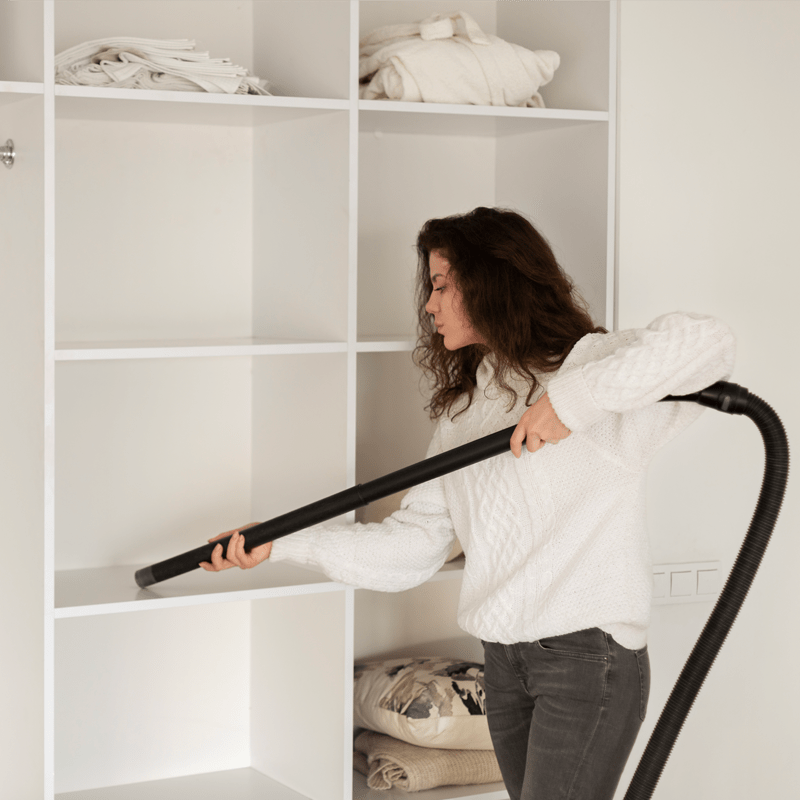
– Keep rooms organized to improve airflow and prevent moisture from concentrating around objects or in corners.
– Use rugs and thick curtains, which act as a thermal barrier and help reduce the sensation of cold.
Controlling excess humidity in winter not only helps your home feel warmer but also creates a healthier environment. Non-electric dehumidifiers, good ventilation, and better insulation can make your home more comfortable throughout the colder months.
We hope this article and our products help improve your quality of life at home. Discover our dehumidifiers here.

Share:
10 benefits of having a dehumidifier at home
How moisture absorber boxes work—and why liquid may not appear immediately