


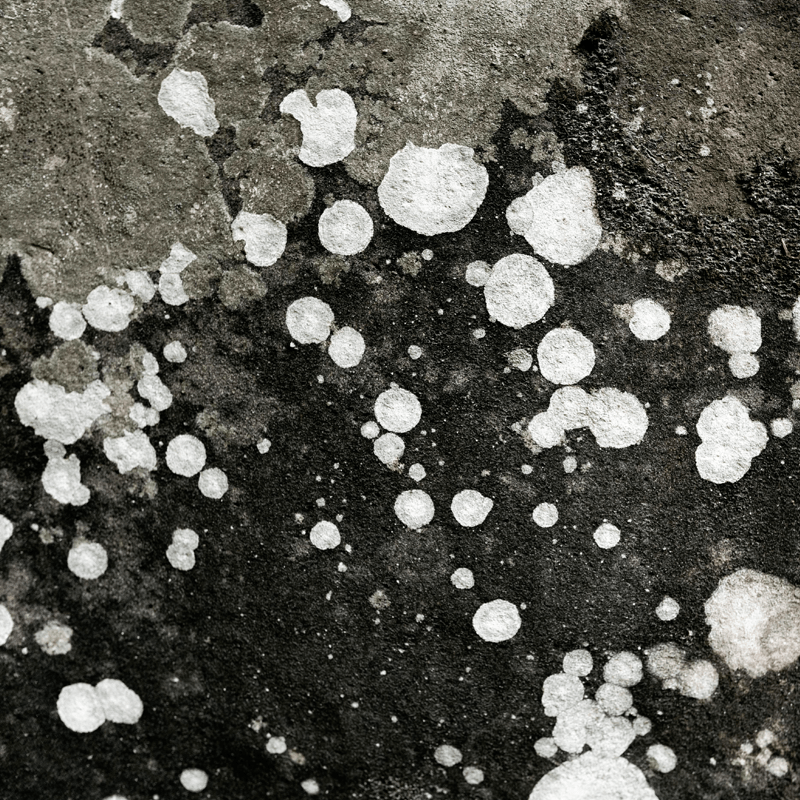
Damp in the home is a common problem that can affect both the building and the health of the people who live there. Understanding the different types of damp, their causes, and the most effective solutions is essential for maintaining a healthy, dry environment.
Types of damp
Condensation
Condensation forms when warm air comes into contact with cold surfaces such as windows or poorly insulated walls. It appears as water droplets on those surfaces and is common in bathrooms, kitchens, and poorly ventilated rooms.
Rising damp
Rising damp occurs when water from the ground travels upward through the walls of a building. It is common in basements and ground-floor rooms where walls are in direct contact with the soil. Over time, it can damage building materials.
Penetrating damp
This happens when water from outside enters the home because of problems with insulation or waterproofing. Heavy rain or proximity to rivers can increase the risk. Basements and external walls are usually the most affected areas.
Causes of damp
Inadequate ventilation
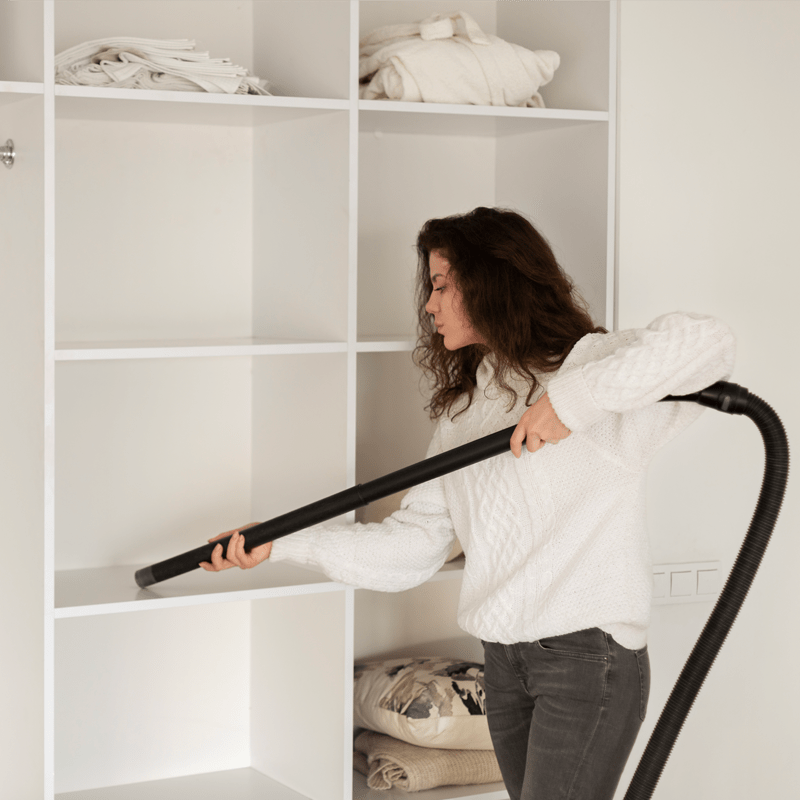
Enclosed spaces tend to accumulate moisture when they are not ventilated properly. This is common in wardrobes, bathrooms, and kitchens.
Ineffective insulation
Poorly insulated homes allow outside moisture to enter more easily, increasing indoor humidity levels.
Building defects
Cracks in walls, roofs, or waterproofing systems can let moisture in, especially during rainy periods.
Consequences of damp
Structural damage
Over time, damp can compromise walls, ceilings, and floors by weakening building materials.
Health problems
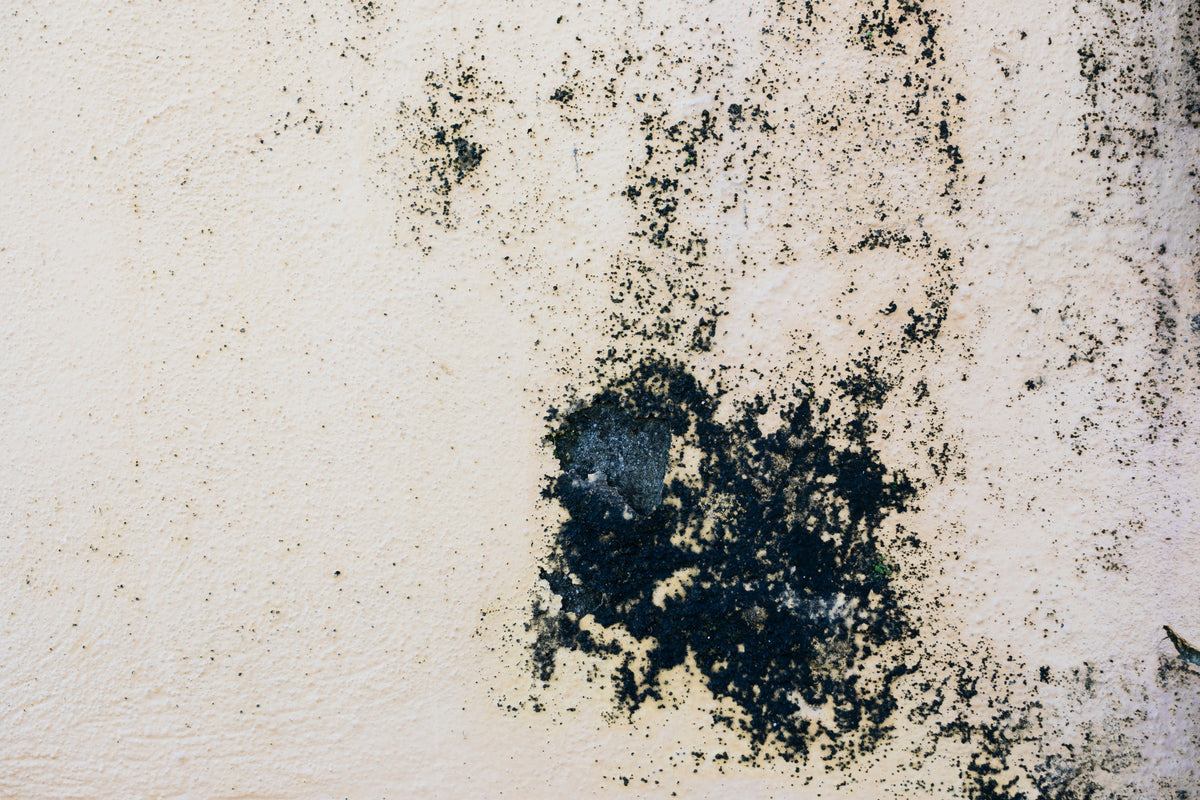
Mold and dust mites thrive in humid environments and can contribute to respiratory problems, allergies, and other conditions.
Unpleasant odors and stains
Excess moisture creates a characteristic musty smell that can become trapped in clothes, furniture, and curtains, as well as causing stains that are difficult to remove.
Solutions for tackling damp
Ventilate regularly
Ventilation is essential to prevent moisture from building up. Open windows every day—especially in bathrooms and kitchens—to circulate the air and release excess humidity.
Improve insulation
Good thermal insulation helps prevent outdoor moisture entering the home. Properly insulated walls and roofs protect rooms from penetrating damp.
Use non-electric dehumidifiers
Non-electric dehumidifiers such as DRYBOSS boxes and moisture absorber bags are an effective way to keep humidity under control. They are easy to use, require no electricity, and can be placed anywhere in the home—including wardrobes, bathrooms, garages, storage rooms, and vehicles. They absorb excess moisture and help prevent mold and unpleasant odors.
Repair cracks and improve waterproofing
Seal cracks in walls and roofs to stop outdoor moisture from entering. Correctly waterproofing vulnerable areas is a long-term investment in keeping your home dry.
DRYBOSS products for tackling damp
At DRYBOSS, we offer effective and accessible moisture-control solutions for every home:
Hanging moisture absorber bags: perfect for wardrobes, drawers, and smaller spaces. They absorb moisture quickly and help protect your belongings.
Moisture absorber boxes: ideal for larger rooms and bathrooms. They provide long-lasting action to keep spaces dry for weeks.
Our products are designed to remove excess moisture effectively without electricity, giving you convenience and peace of mind.
Damp is a common household problem that can have serious consequences if it is not addressed in time. Understanding the different types and applying the right solutions—such as ventilation, insulation, and dehumidifiers—will help you maintain a dry, healthy home. Explore DRYBOSS moisture-control solutions and protect your home from the damaging effects of damp.
Most people experience moisture problems at some point, and it is easy to get used to them. But you do not have to accept living with damp. Take action, try our products, and bring excess moisture under control today.

Share:
How to control excess humidity in winter and make your home feel warmer